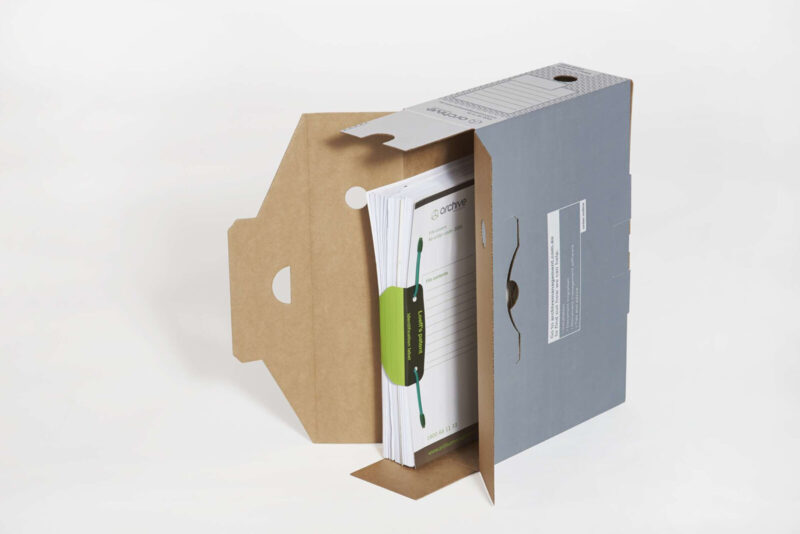
Efficient document storage is essential for offices, schools, healthcare facilities, legal firms, and administrative departments that manage physical paperwork every day. When documents are not stored correctly, they can become damaged, misplaced, or difficult to retrieve when needed. File boxes offer a simple but effective way to organize records, protect paperwork, and improve access to important information. Whether used for daily filing or long term archiving, choosing the right size and style can make document management safer and more reliable.
Choosing the Right File Box for Daily Use

Different workplaces require different storage solutions depending on document volume, available space, and retrieval frequency. Smaller file boxes are ideal for active paperwork that needs to stay close to desks, reception areas, or administrative workstations. Larger boxes are better suited for archived files, financial records, HR documents, and older paperwork that must be kept securely but accessed less often.
Many businesses choose to find a premium suspension file box because it keeps documents upright, clearly separated, and easier to locate. Suspension file systems are especially useful when files need to be sorted by category, client name, date, department, or project. This structure reduces handling damage and helps employees retrieve documents quickly without searching through loose stacks of paper.
Improving Safety and Document Protection

File boxes do more than organize paperwork. They also help protect documents from dust, bending, tearing, and accidental loss. Secure lids, strong handles, and durable materials make boxes more reliable for both storage and transport. In busy offices, this protection is important because records may be moved between departments, storage rooms, or meeting spaces.
For sensitive documents, organized storage also supports better control. Clearly labeled file boxes reduce the risk of confidential paperwork being misplaced or accessed unnecessarily. Businesses that manage contracts, invoices, medical records, or legal files can benefit from a structured filing system that keeps information protected and easier to monitor.
Small and Large Boxes for Better Retrieval

Small file boxes are practical for current projects, temporary files, and documents that require frequent access. Their compact size makes them easy to move and store on shelves, under desks, or inside cabinets. They are also helpful for employees who need portable filing systems for meetings or shared workspaces.
Large file boxes provide greater capacity for bulk storage and long term archiving. They are useful for businesses that must retain documents for compliance, accounting, or operational history. When properly labeled and categorized, large boxes make retrieval faster while reducing clutter in active work areas.
The best approach is often to use both sizes together. Small boxes can manage active files, while larger boxes can store completed or archived records. This creates a practical document flow that supports productivity and protects important paperwork over time.
Conclusion
Small and large file boxes play an important role in safer document retrieval and better office organization. By choosing durable materials, suitable capacity, and practical filing features, businesses can reduce clutter, protect important records, and improve access to information. A well planned storage system saves time, supports confidentiality, and keeps documents in better condition for future use.