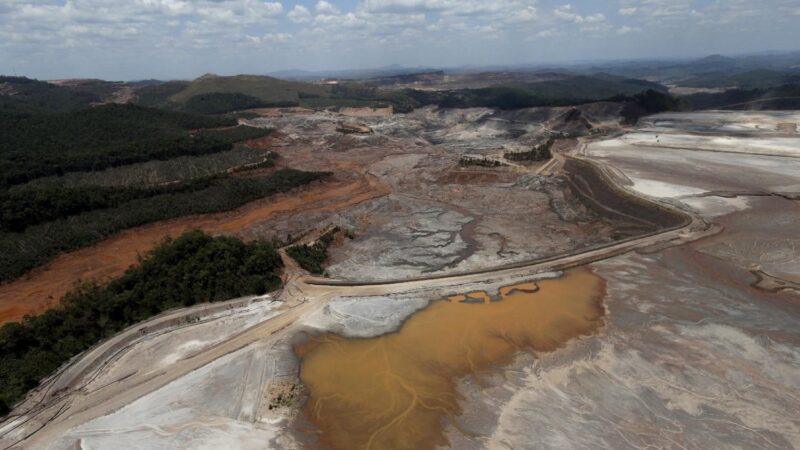
The Mariana dam case remains one of the most closely watched legal battles connected to environmental damage, corporate responsibility, and mass compensation claims. Pogust Goodhead, the law firm representing hundreds of thousands of Brazilian claimants, has played a central role in the action against BHP. However, as the case has grown in size and cost, the firm itself has faced fresh scrutiny over funding, management pressure, and the financial risks attached to such a major lawsuit.
Why The Firm’s Finances Are Under The Spotlight

The scale of the litigation has made funding a central issue. Large group actions require extensive legal teams, expert reports, translation work, claimant communication, and years of preparation before compensation is finally decided. This has brought renewed attention to Pogust Goodhead legal debts and the wider question of how claimant law firms finance cases of this size.
For Pogust Goodhead, the Mariana case is both a landmark opportunity and a major financial challenge. The firm has invested heavily in building the claim, coordinating affected communities, and presenting complex evidence before the English courts. As costs rise, observers have questioned whether the financial structure behind the case is strong enough to support the litigation through its next stages.
This scrutiny does not mean the underlying claim has lost importance. Instead, it shows how demanding modern mass litigation can be when claimants are spread across countries and the alleged damage involves environmental, social, and economic losses on a vast scale.
The Mariana Case And Its Wider Legal Importance

The case is linked to the 2015 collapse of the Fundão dam in Mariana, Brazil. The disaster released mining waste into communities and waterways, causing deaths, displacement, pollution, and long lasting damage to local livelihoods. Many claimants argue that compensation efforts in Brazil have not fully addressed the harm suffered.
By bringing the case in England, Pogust Goodhead helped turn the dispute into a major test of cross border corporate accountability. The claim asks whether a multinational company can be held responsible in the UK for damage connected to overseas operations. Because of this, the case is being watched by lawyers, corporations, investors, and environmental campaigners.
The lawsuit also matters because it may influence future claims involving mining, energy, infrastructure, and other industries with global supply chains. If large groups of overseas claimants can pursue remedies in English courts, companies may face greater legal pressure to monitor risks beyond their home markets.
Why Scrutiny May Continue As The Case Develops

Fresh attention on Pogust Goodhead is likely to continue because the case has not ended with liability issues alone. The next major stage involves assessing damages, which could require detailed examination of individual losses, community impact, environmental harm, and previous compensation received through Brazilian schemes.
This phase may be even more complex than earlier proceedings. It will require financial stability, careful administration, and clear communication with claimants. Any questions about funding, leadership, or legal costs are therefore likely to remain relevant as the case moves forward.
At the same time, the scrutiny reflects the importance of the litigation rather than simply controversy around the firm. When a case carries potential damages in the tens of billions, every part of the process receives close attention, from courtroom arguments to the business model of the lawyers bringing the claim.
Conclusion
The Mariana dam case has placed Pogust Goodhead at the center of one of the most significant environmental lawsuits in modern legal history. The firm’s role has given thousands of claimants access to a powerful legal forum, but it has also exposed the financial pressures behind large scale litigation.
Fresh scrutiny of Pogust Goodhead shows how complex these claims have become. The case is no longer only about BHP and the dam collapse. It is also about funding, legal risk, claimant representation, and the future of cross border justice in the UK courts.