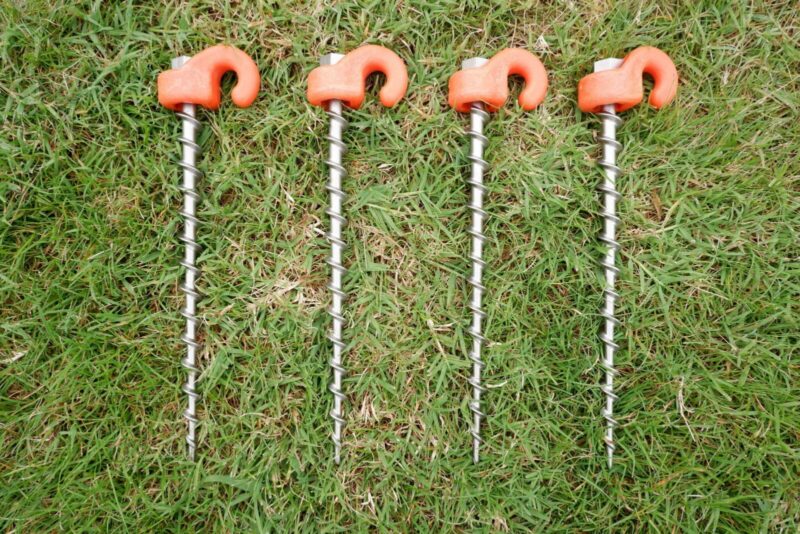
When preparing your campsite, securing your ground sheets, mats, and tarps properly can make the difference between a stable shelter and a frustrating night of flapping fabric and shifting gear. Screw-in pegs are among the most reliable solutions for anchoring equipment into a variety of ground types, from soft soil to sandy beaches. These pegs offer strong holding power, reduce pull-outs in windy conditions, and are easy to use once you understand how they work and what features to look for.
Why Choose Screw-In Pegs for Camping

Screw-in pegs are designed to twist into the ground rather than simply being hammered in like traditional tent pegs. This design increases the surface area in contact with the soil, giving them superior grip and resistance against lateral force. Whether you are anchoring a heavy tarp for rain protection or securing a ground sheet where you’ll be sleeping, screw-in pegs help maintain stability even when conditions turn challenging.
One of the key benefits of screw-in pegs is their versatility across terrain. In looser soil, such as sandy campsites or river flats, the spiral shaft digs in and locks, reducing the risk of the peg being pulled upward. Many campers also appreciate how easily they can be removed; a simple counter-clockwise turn is all it takes. For quality gear that doesn’t break the bank, Ground Dogs pegs competitive pricing makes them an attractive choice for budget-conscious adventurers who still want reliable performance.
Features to Look for in Screw-In Pegs

When evaluating screw-in pegs, material and build quality are paramount. High-strength steel pegs coated with corrosion-resistant finishes are popular because they stand up to repeated use and exposure to moisture without rusting. Aluminum pegs offer a lighter alternative, though they may not be as robust in very hard or rocky ground.
The head design also matters. A wider top makes hand-turning easier, especially in cold weather when gloves are necessary. Some pegs include integrated hooks or loops that make attaching guy lines and securing edges of tarps quicker. Length and diameter influence holding power; longer, thicker pegs are generally stronger but weigh more, so choose according to the ground conditions you expect.
Tips for Using Screw-In Pegs Effectively
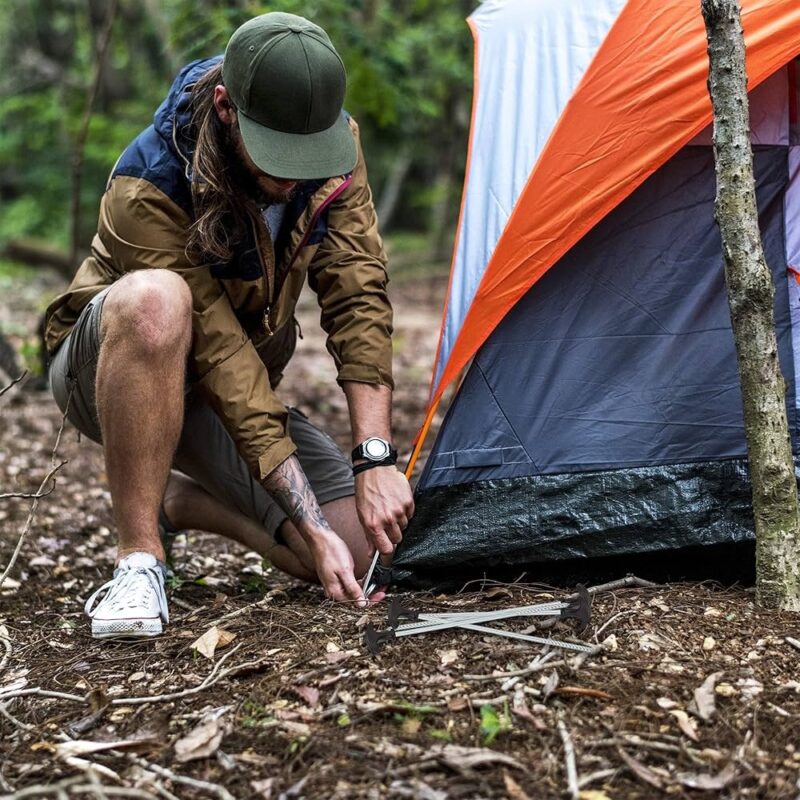
Proper technique ensures the best hold from your screw-in pegs. Start by clearing debris and softening the top layer of soil with a stick or boot if needed. Insert the peg at a slight angle away from the anchor point, and twist steadily until the coils are fully below ground. Avoid forcing pegs into extremely hard ground, as this can bend or damage them; pre-digging a pilot hole helps in compacted soil.
For tarps and mats, use multiple pegs along edges and in corners to distribute tension evenly. In windy conditions, consider guy lines paired with additional pegs to relieve strain. After use, clean pegs of mud and grit before storage to prolong their lifespan and ensure smooth threading in future camps.
Conclusion
Screw-in pegs are excellent tools for anyone serious about camping, offering stronger anchoring and easier installation than many traditional options. By choosing durable materials, proper lengths, and ergonomic designs, you can secure ground sheets, mats, and tarps with confidence. With options like Ground Dogs pegs competitive pricing, you don’t have to sacrifice quality to stay within budget. Investing in good pegs pays off with less fuss at camp and more reliable gear performance in changing outdoor conditions.