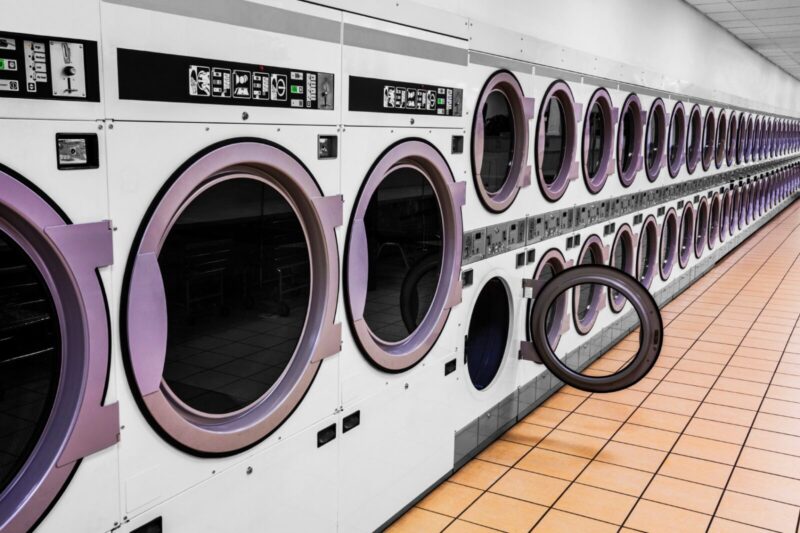
Running a successful laundry business, hotel, hospital, or hospitality operation in Australia means relying on equipment that can handle heavy loads day after day without excessive downtime or costly repairs. Commercial laundry machines are designed to meet these demands with stronger components, greater capacity, and more reliable performance than domestic alternatives. Choosing the right machines can improve productivity, reduce water and energy costs, and deliver clean results consistently.
Key features of commercial laundry equipment
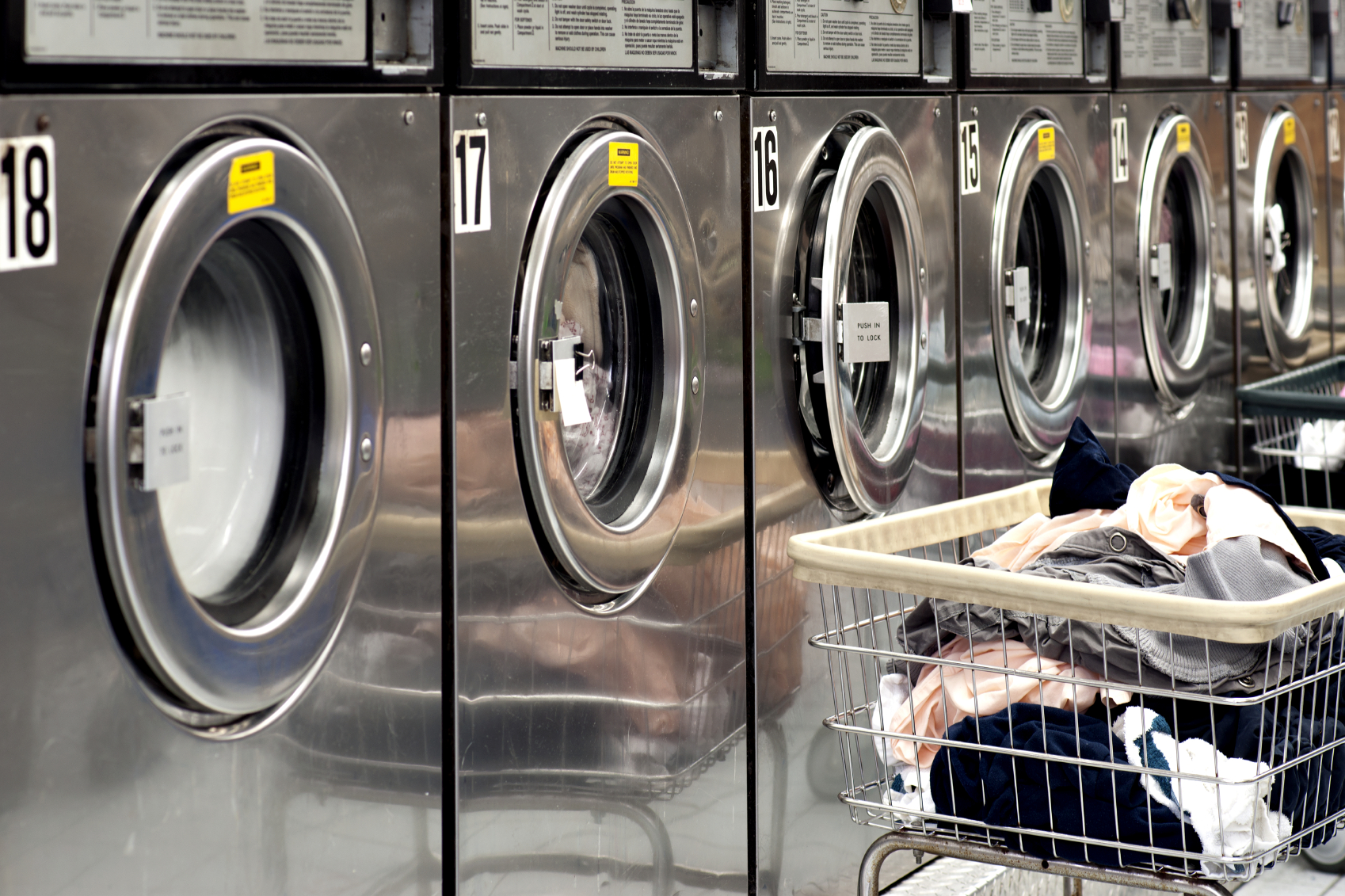
Commercial laundry machines are built for durability, high throughput, and efficient operation. A toughly built commercial washing machine sits at the heart of any professional laundry setup, offering reinforced drums, industrial grade motors, and controls that can handle repeated cycles under load without overheating or failure.
These machines often include larger capacities than home units, allowing businesses to process bulky items such as linens, towels, and uniforms in fewer cycles. Stainless steel drums and corrosion resistant components improve longevity, especially in environments where detergent, heat, and moisture are constant. Advanced control panels let operators adjust wash cycles, water levels, and spin speeds to match fabric types and soil levels, helping protect garments while maximising throughput.
Types of commercial laundry machines for different business needs
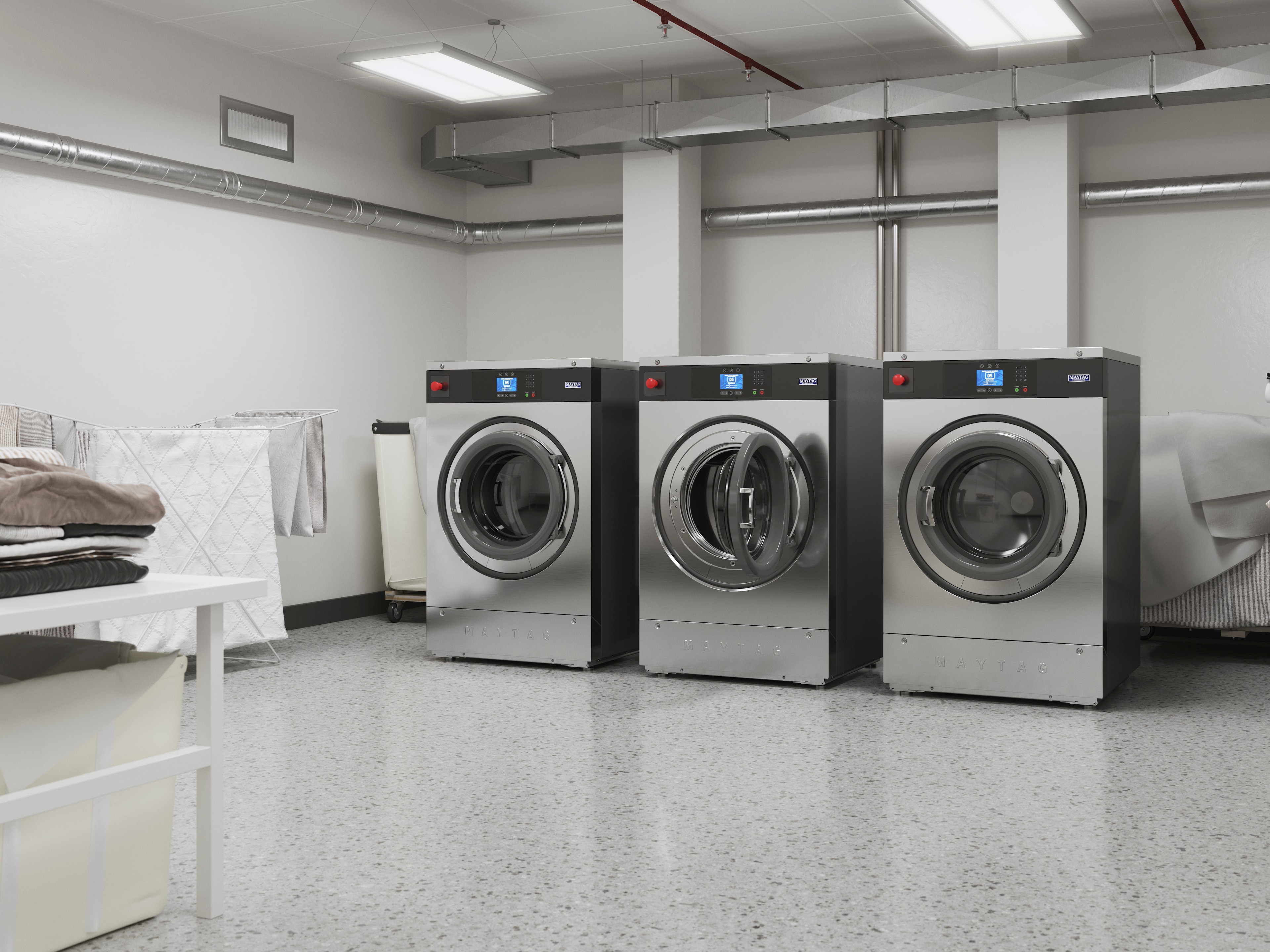
Commercial laundry equipment comes in several formats to suit diverse applications. Front load washers are common in laundromats and high volume settings because they clean effectively with less water and detergent. Top load or large capacity industrial washers may be preferred in hospitals or hotels where bulky bedding is frequent. For businesses processing heavy items regularly, barrier washers that separate clean and soiled loads can improve hygiene and workflow.
Dryers designed for commercial use also feature larger drum capacities, high powered airflow, and durable heating elements. Stacked washer/dryer combinations save floor space in smaller facilities, while larger standalone units provide maximum capacity for operations with sustained demand. Sensor drying technology helps reduce energy use by stopping cycles when loads are dry, lowering costs and protecting fabrics from over drying.
Benefits of investing in professional laundry solutions
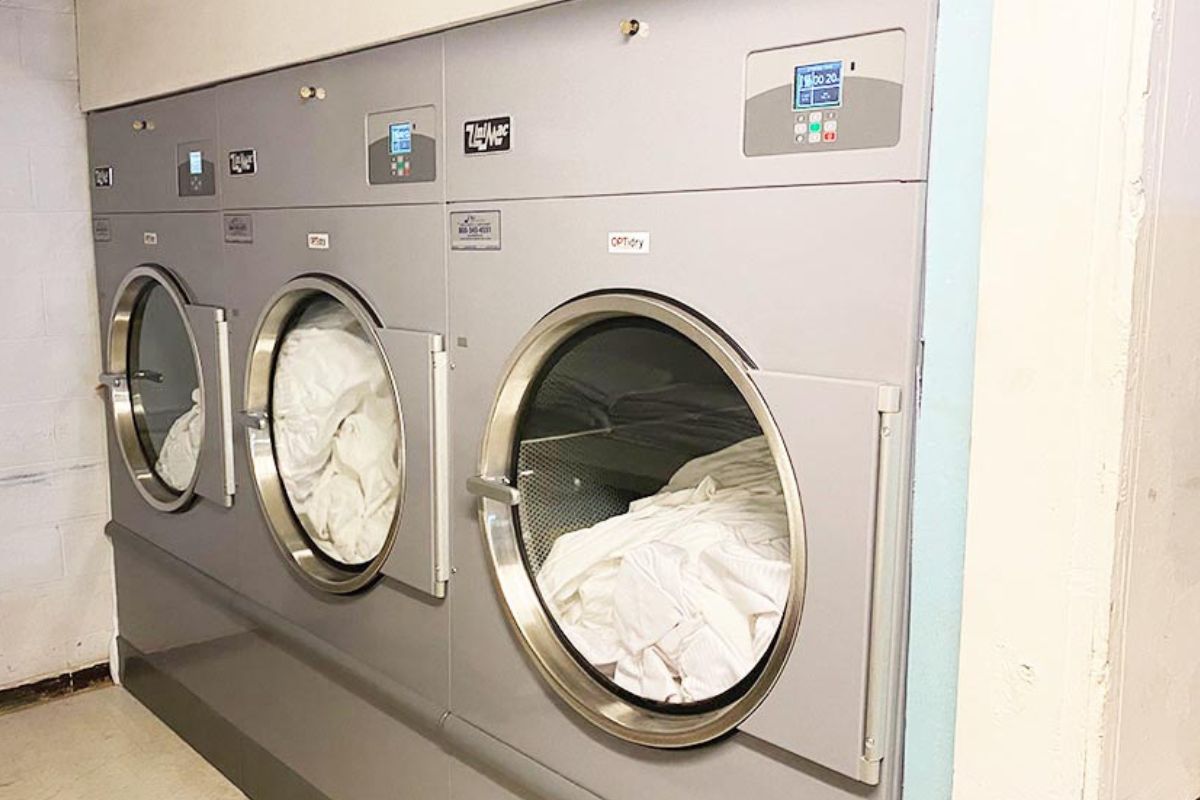
Commercial laundry machines deliver significant advantages over domestic models. They are engineered for continuous use, with components rated for higher cycles and heavier loads. This reduces breakdowns and service interruptions, meaning businesses can maintain schedules and deliver consistent results to customers or internal users. Many commercial units also offer features that improve water extraction and shorten cycle times, increasing overall plant efficiency.
Energy and water efficiency matter in operating costs. Modern commercial machines often include eco programs, high spin speeds to reduce drying time, and smart controls that optimise resource use. While the upfront investment is greater than consumer machines, the long term savings in durability, lower utility costs, and higher throughput typically justify the expense for businesses with regular laundry needs.
Conclusion
Choosing the right commercial laundry equipment helps Australian businesses meet service expectations while controlling operating costs and reducing downtime. A well designed, well built laundry system increases productivity, improves fabric care, and supports efficient workflow across applications such as hospitality, healthcare, and independent laundromats. Investing in quality machines lays the foundation for dependable performance and long term success.